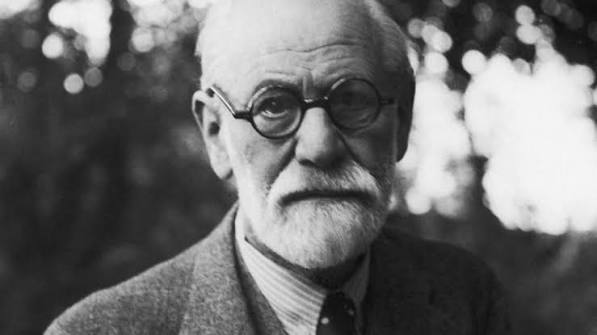
Why Is Sigmund Freud So Controversial in the Psychology Community?
Sigmund Freud is considered the father of psychoanalysis and for many one of the founding figures of modern psychology.
His ideas revolutionized the way human behaviour, personality and mental disorders were understood, introducing concepts such as the unconscious, repression and defense mechanisms. His work continues to influence psychology, psychotherapy and popular culture, however, Freud is also one of the most controversial figures in the field. While some consider his work fundamental to the development of psychological thought, critics argue that many of his theories lack scientific evidence and reflect the cultural and social values of his time.
You may even have heard about his theories, that every little boy wants to kill his father and marry his mom, for example, but many of his theories rely exactly on that: reducing the human being to sexual entities, especially while diagnosing pathologies. And that’s one of the main reasons for this controversy: Freud’s emphasis on sexuality and its role in human development. Freud proposed that sexual drives play a central role in psychological development, particularly during childhood. One of his most famous ideas is the Oedipus complex, according to which boys experience unconscious desires towards their mothers and rivalry towards their fathers. Although this theory became one of the most recognizable aspects of psychoanalysis, it has been heavily criticized for being difficult to empirically demonstrate and for potentially reflecting Freud’s own cultural assumptions about family and sexuality.
More broadly, Freud’s theories often interpreted psychological difficulties through the lens of unconscious sexual desires and conflicts. This approach was particularly controversial because it challenged the social norms of his time, while simultaneously reproducing some of them. His theories about women, sexuality and gender have therefore received substantial criticism for being culturally and historically limited. Some of his descriptions of female psychology, for example, have been interpreted as reflecting the patriarchal society in which he lived rather than universal characteristics of human psychology.
Another major source of controversy is the scientific status of Freud’s theories. Freud developed his ideas largely through clinical observations and case studies rather than through controlled, empirical research. Although his clinical work allowed him to develop important questions about human behaviour, many of his hypotheses are difficult to test or falsify. From the perspective of modern psychology, which places considerable importance on empirical evidence and replicability, this represents a significant limitation.
However, dismissing Freud entirely would also mean overlooking his profound influence on psychology. His emphasis on the unconscious challenged the idea that human beings are completely rational and aware of the motivations behind their behaviour. Concepts such as defence mechanisms, repression and the importance of early experiences continue to influence contemporary psychological thinking, even when they are no longer understood exactly as Freud originally proposed them.