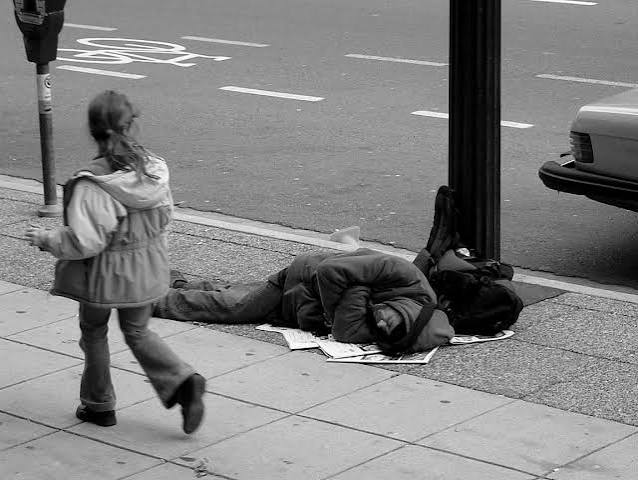
The Bystander Effect
Sometimes on the street, we find ourselves in situations in which we could act but have absolutely no desire to do so; we simply ignore it and let somebody else take the fall. The Bystander Effect is a phenomenon in social psychology that explains that. Individuals are less likely to help a victim/somebody in need when there are other people present. Basically, the presence of others discourages an individual from intervening in an emergency, against a bully, or during an assault or other crime. The greater the number of bystanders, the less likely it is for anyone to provide help to a person in distress.
The origin of this phenomenon dates back to 1964 with the brutal and infamous murder of Kitty Genovese in New York City. Her case became globally known because her murder occurred outside of her apartment while, according to The New York Times, dozens of neighbors saw or heard the event occurring for over 30 minutes and yet failed to help or call the police.
Since then, thousands of studies have replicated, challenged, and shown that the bystander effect is primarily driven by three core factors: Diffusion of Responsibility, the belief that someone else will (or should) intervene; Pluralistic Ignorance, looking to others to gauge the severity of a situation, leading everyone to conclude it is not an emergency; and Audience Inhibition, the fear of embarrassment or social awkwardness if an intervention turns out to be a mistake.
Even though this is an actual effect and could happen to any of us, the foundational story that sparked the “bystander effect” was heavily exaggerated with distorted information. In reality, a lot of bystanders couldn’t really understand what was going on, while some did call for help. Some recent studies utilizing real-world CCTV footage of public violence show that bystanders intervene in nearly 90% of incidents.
Well, how can we prevent this phenomenon from happening to us?
First of all, we can take active responsibility in the situation and use the 5 Ds of Bystander Intervention:
- Distract: Ask for the time, for example, to interrupt the event.
- Delegate: Ask a third party for help with intervening in the situation.
- Document: Record or take notes that can be useful.
- Delay: Even if you can’t act in the moment, you can still make a difference by checking in with the person who was harassed.
- Direct: Speak up about the harassment, be firm and clear, and make sure to use this one with caution if you’re going to intervene directly!
Even after knowing all of this, do you think you would intervene in a situation where somebody needs help?